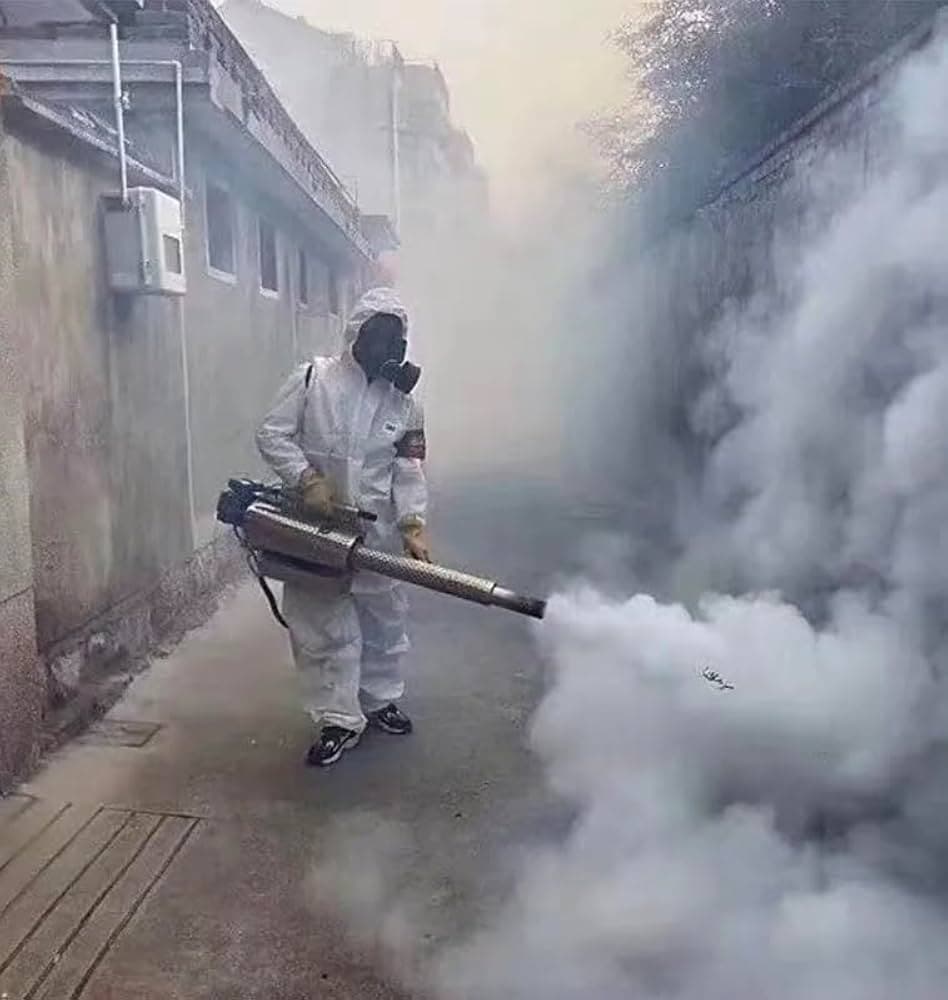
Why field operations dominate
In many pest control businesses, the largest footprint is not the office. It is the daily field routine: technician travel, fogging equipment, generators, and repeat visits driven by treatment cycles.
That means the highest-impact reduction work often starts with route planning, equipment efficiency, idling control, and a shift toward lower-carbon service delivery methods.
Direct releases can matter even more
Where fumigant gases are used, direct atmospheric release can create a disproportionate climate impact. Sulfuryl fluoride is a good example because its GWP is far higher than ordinary combustion emissions on a per-kilogram basis.
Businesses that track only fuel spend may therefore understate the real climate cost of specialty treatment work.
What a better pest-control inventory looks like
A useful inventory separates fleet fuel, equipment fuel, purchased chemicals, direct fumigant releases, and travel into distinct sources. That makes hotspot analysis much clearer and avoids burying high-impact activities inside a generic operating total.
Once those hotspots are visible, the business can prioritise practical changes such as route optimisation, preventive maintenance, lower-leak handling procedures, supplier selection, and alternative treatment methods.